
The Complete Guide to Heat Pump Savings: Calculate Your ROI in East Anglia
The shift towards low-carbon heating is gaining momentum across the UK, and East Anglia is no exception. With the UK government targeting net-zero...
At Projects4Renewables, our core work involves creating warmer, more efficient homes through
heating systems, insulation and renewable technologies. Through this experience, we've learned a
critical truth: when improving a home's thermal efficiency, you must also address its ventilation.
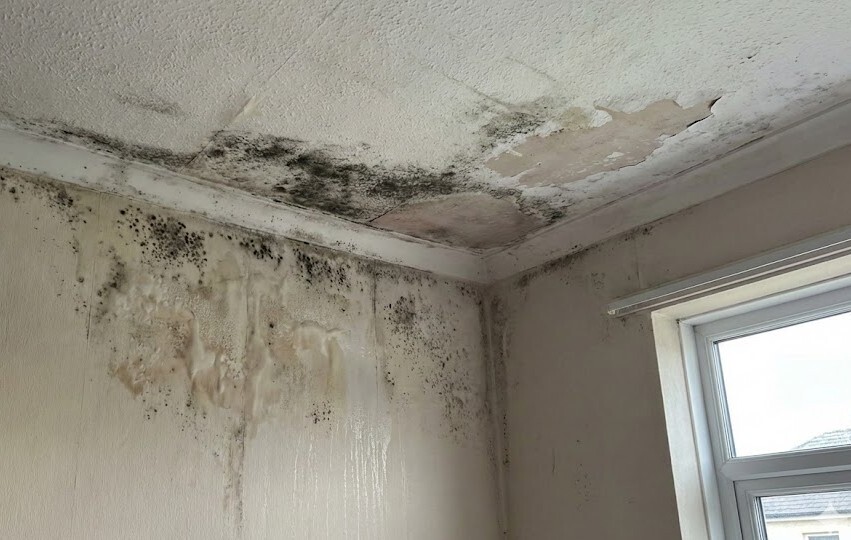
Crucially, whether the mould is a legacy issue or a new risk created by insufficient airflow in an
improved home, the solution remains the same: optimise ventilation.
Understanding the cause is the first step to a permanent cure, which is why we offer targeted,
small-scale ventilation solutions to tackle existing mould and prevent future growth.
Mould spores are naturally present everywhere, but they only start to grow when they find the right
conditions. Think of it as a simple recipe with three key ingredients:
The primary source of this moisture in most homes is condensation. Everyday activities like
showering, cooking, drying clothes indoors, and even breathing all release significant amounts of
moisture into the air. If this warm, moist air can't escape, it lands on cold surfaces (like windows or
external walls), turns to water, and creates the perfect breeding ground for mould. However, some
properties and characteristics could make you more vulnerable to the problem…
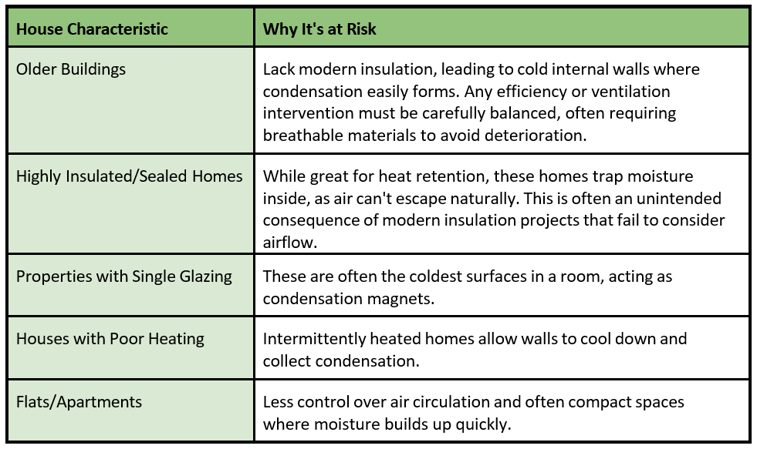
While any house can develop mould, some properties are far more susceptible than others, often
due to their design or age, or as a result of recent efficiency upgrades without the thought for
proper, adequate ventilation.
The Real Risks: Why You Can't Ignore Mould
Mould is more than just an aesthetic problem; if left untreated, it can significantly impact both the
health of the occupants and the structure of the property. Ignoring the issue can lead to costly and
severe long-term consequences.
Mould produces allergens, irritants, and, in some cases, potentially toxic substances (mycotoxins).
Exposure can lead to a range of health issues:
The moisture and growth that cause mould don't just affect surfaces; they can penetrate deeper:
The Bottom Line: Addressing the root cause of mould immediately is an investment in both the
health of your family and the longevity of your property. But how?
Curing a mould problem involves two steps: immediate clean-up and implementing a long-term
solution.
Step 1: Safe and Effective Clean-Up
For small areas, you can remove mould using a dedicated mould killer or a solution of water and
detergent (avoid using bleach, which can often just discolour the mould without killing the roots).
Crucially, clean-up is only temporary if the moisture issue isn't fixed.
Step 2: Fixing the Root Cause (Moisture)
The only way to permanently cure mould is to control humidity and improve airflow. This is where
specialised ventilation comes in.
To prevent mould from returning, you must ensure that warm, moist air is continually extracted and
replaced with drier, fresh air. Your home needs to be able to breathe.
This is why, as part of our comprehensive approach to creating efficient homes, Projects4Renewables
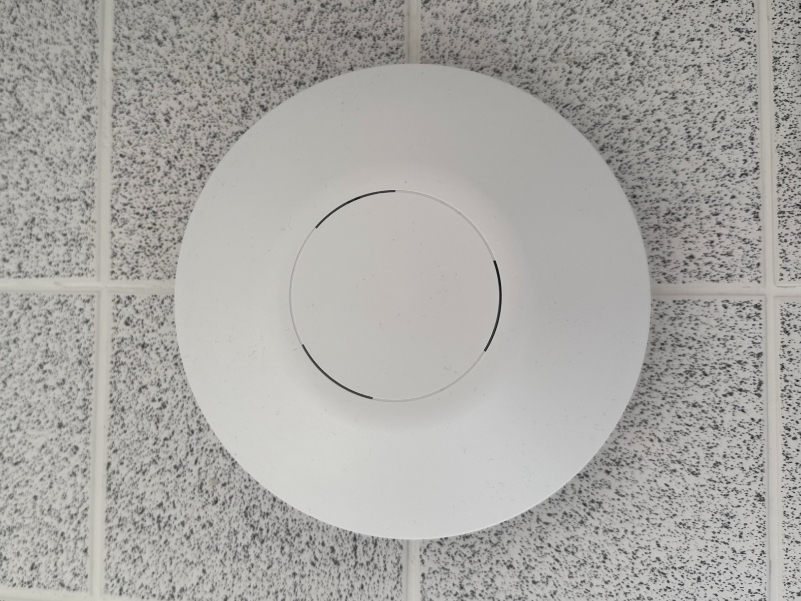
offers targeted ventilation solutions. We install small-scale, highly effective measures that manage
condensation—crucially, these solutions complement the efficiency improvements from new
insulation and heating:
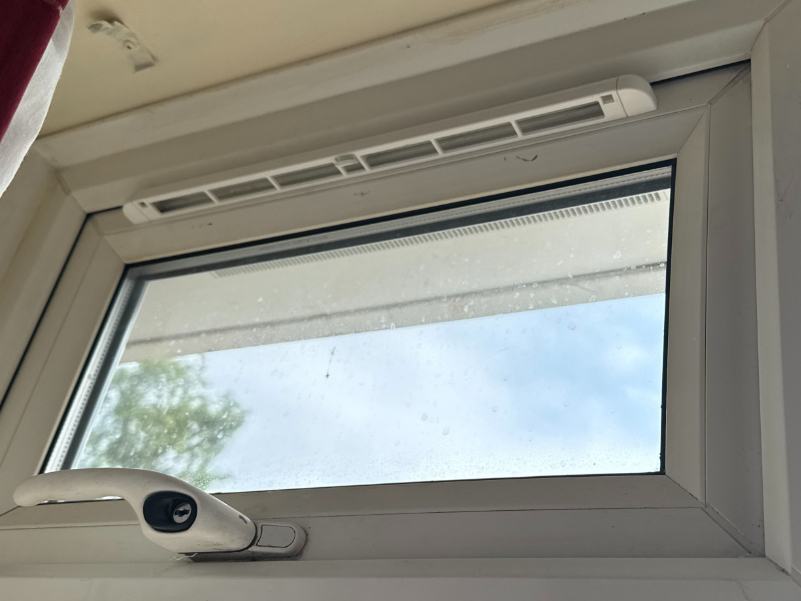
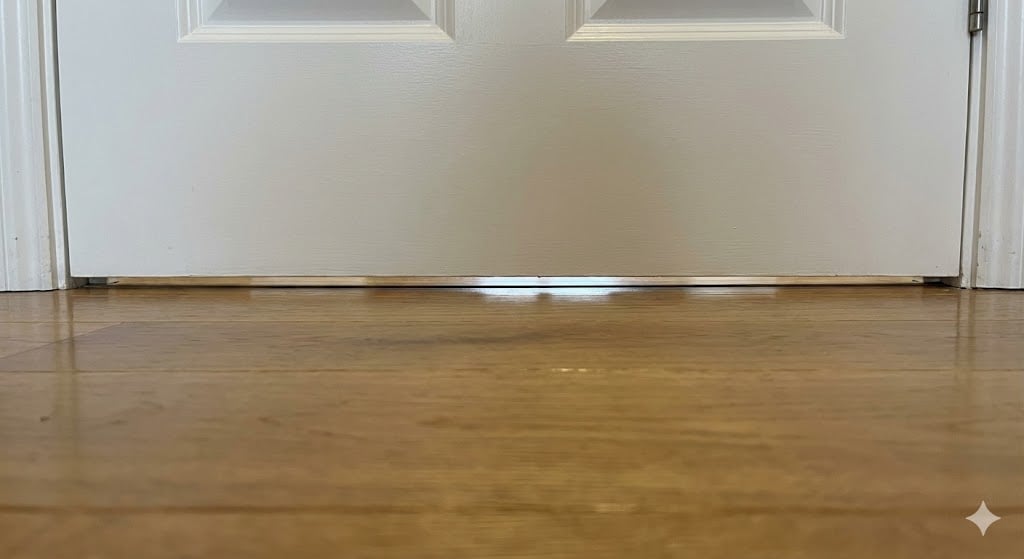
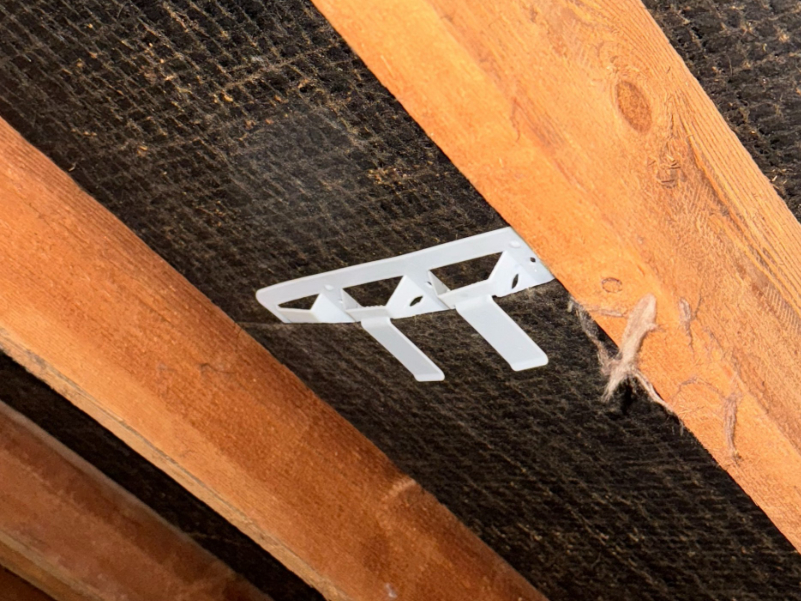
The Key Takeaway: Mould is a ventilation issue. By upgrading your home's ability to manage airflow,
you starve the mould of the moisture it needs to survive, keeping your home healthier, drier, and
mould-free. We don't just warm your home; we make it fundamentally healthy.
Don't let mould compromise your home and health. At Projects4Renewables, we specialise in
assessing your property's specific ventilation needs and installing targeted, efficient solutions
alongside our heating, insulation and renewable technology services.
Call us directly on 01638 507730 or fill in our enquiry form today.


The shift towards low-carbon heating is gaining momentum across the UK, and East Anglia is no exception. With the UK government targeting net-zero...
Introducing Our Newly Launched Finance Options: Making Renewables More Accessible One of the biggest barriers to installing renewable technologies...
 Jessica Whitehall : Aug 12, 2025 8:30:00 AM
With energy prices on the rise and sustainability high on the national agenda, more and more UK homeowners are turning to solar panels as a smart,...